You’ve just finished cleaning the bathroom, and everything looks spotless. A few days later, those familiar orange streaks are back beneath the faucet. The toilet bowl has developed another reddish ring, and even your white laundry isn’t looking particularly white anymore. If your Lancaster home relies on a private well, dissolved iron could be contributing to these recurring frustrations.
Problems associated with iron & rust staining can make household maintenance unnecessarily demanding, especially when homeowners repeatedly clean affected surfaces without addressing the underlying water conditions.
Fortunately, understanding where these stains come from and choosing appropriate treatment can make a meaningful difference. For families throughout Lancaster and Southeastern Pennsylvania, it all begins with getting to know the water beneath their property.
Where Does Iron in Well Water Come From?
As groundwater travels through underground rock formations and soil, it naturally encounters various minerals. Iron can dissolve into the water under certain geological and chemical conditions.
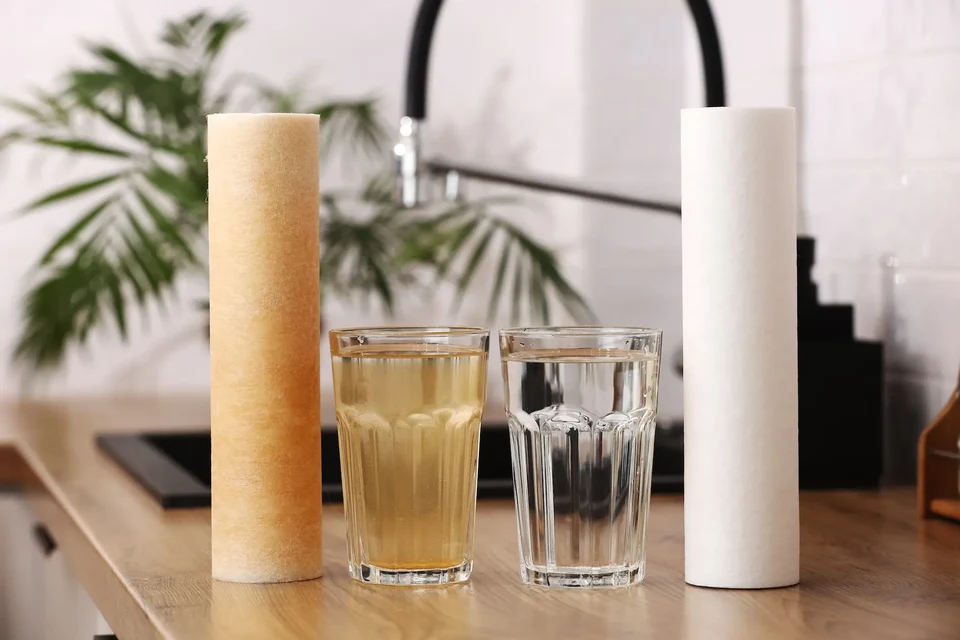
Interestingly, water containing dissolved iron may initially appear perfectly clear. Once exposed to oxygen, however, the iron can oxidize and form reddish-brown particles.
That’s why a freshly filled glass might look normal but develop visible discoloration after sitting for a while.
Iron can also enter household water through corroding metal plumbing components.
Determining whether the problem originates within the groundwater supply or household plumbing is important. Installing expensive filtration equipment won’t necessarily resolve an issue caused by deteriorating pipes.
Reliable testing and professional assessment can help identify the actual source.
Choosing Filtration That Goes Beyond Ordinary Water Filters
It’s understandable to assume that installing a basic water filter will eliminate rust-colored deposits. Unfortunately, dissolved iron often requires more specialized treatment.
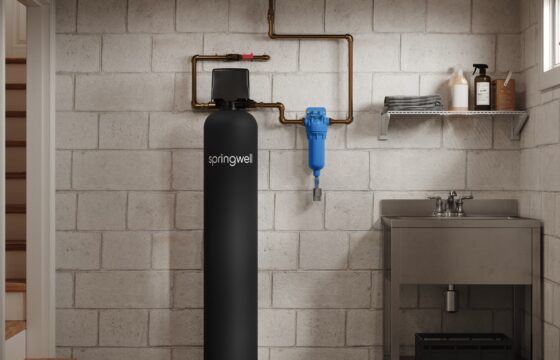
Effective filtration solutions for private wells should account for iron concentrations, water chemistry, pH levels, and the form in which iron is present.
Mechanical filters can capture suspended iron particles, but dissolved iron may require oxidation followed by filtration.
Some systems introduce air to encourage oxidation, while others use suitable oxidizing agents or specialized filtration media.
Equipment selection depends heavily on the characteristics of the incoming water.
Rather than purchasing a filter simply because it promises iron removal, ask whether its documented treatment capabilities match your laboratory results. Getting this right can save considerable expense and frustration later.
Looking Beyond Visible Stains and Metallic Flavors
Rust-colored deposits understandably receive plenty of attention because they’re difficult to ignore. However, other groundwater concerns may exist without leaving any visible evidence.
A responsible approach to well water quality treatment considers both aesthetic problems and potential drinking water safety concerns.
Private well owners should arrange annual laboratory testing for common contaminants such as bacteria and nitrate, with additional assessments based on local conditions.
Testing for iron, manganese, hardness, and pH can also provide useful information when designing treatment equipment.
If harmful contamination is suspected, use a verified safe alternative for drinking and cooking until corrective measures and appropriate testing confirm safety.
Having clear, pleasant-tasting water is desirable, but understanding its safety is even more important.
Saving Your Laundry From Recurring Iron Stains
There’s something especially disappointing about discovering orange marks on freshly washed bedding or a favorite light-colored shirt.
Iron-related discoloration can make laundry day frustrating, particularly when ordinary detergents fail to remove stubborn stains.
Treating excessive iron before water reaches the washing machine can help reduce the conditions responsible for new staining.
Bathroom maintenance may become easier, too. Fewer new deposits around sinks, bathtubs, and toilets can mean less time spent using specialized cleaning products.
Of course, filtration won’t automatically remove stains that have already developed.
Nevertheless, addressing the source of recurring discoloration offers a more practical long-term approach than constantly dealing with its visible effects.
Can a Water Softener Handle Iron Problems?
Many Lancaster homeowners already have water softening equipment installed. Naturally, they wonder whether their existing system can also address iron-related concerns.
Conventional softeners primarily reduce calcium and magnesium, although certain models can handle limited concentrations of dissolved iron under suitable conditions.
Excessive iron, however, can interfere with resin performance and increase maintenance requirements.
Dedicated iron removal equipment may therefore be necessary, particularly when testing identifies elevated concentrations.
In some households, combining iron filtration with softening offers a sensible treatment arrangement.
The correct equipment configuration depends on water chemistry and manufacturer specifications. Understanding these details beforehand helps avoid placing unnecessary demands on existing treatment equipment.
Keeping Your Iron Filtration Equipment Working Properly
Once treatment equipment is installed, it’s tempting to forget about it. Unfortunately, even dependable filtration systems require regular attention.
Certain iron removal systems need periodic backwashing to flush accumulated particles from their filtration media. Other designs require media replenishment or replacement components.
Before purchasing equipment, ask about servicing intervals, drainage requirements, operating pressure, and anticipated maintenance expenses.
Keeping previous laboratory reports and servicing records can help you recognize changes in treatment performance.
If reddish stains suddenly return, investigate the cause rather than assuming the entire system needs replacing.
Sometimes, a straightforward servicing adjustment may be enough to restore performance.
Enjoying Your Lancaster Home Without Constantly Battling Rust Stains
Owning a private well in Southeastern Pennsylvania comes with responsibilities, but managing mineral-related water problems doesn’t have to consume your weekends.
Reliable testing, thoughtfully selected filtration equipment, and consistent maintenance provide a practical foundation for addressing excessive iron.
Perhaps you’ll notice fewer new stains on bathroom fixtures, enjoy water with less metallic flavor, or feel less hesitant about washing your favorite white clothes.
These everyday improvements can make country living even more enjoyable.
Your well is an essential part of your property. Giving it thoughtful attention helps protect the comfort of your household while allowing you to spend less time dealing with stubborn stains and more time enjoying the home you’ve worked hard to maintain.