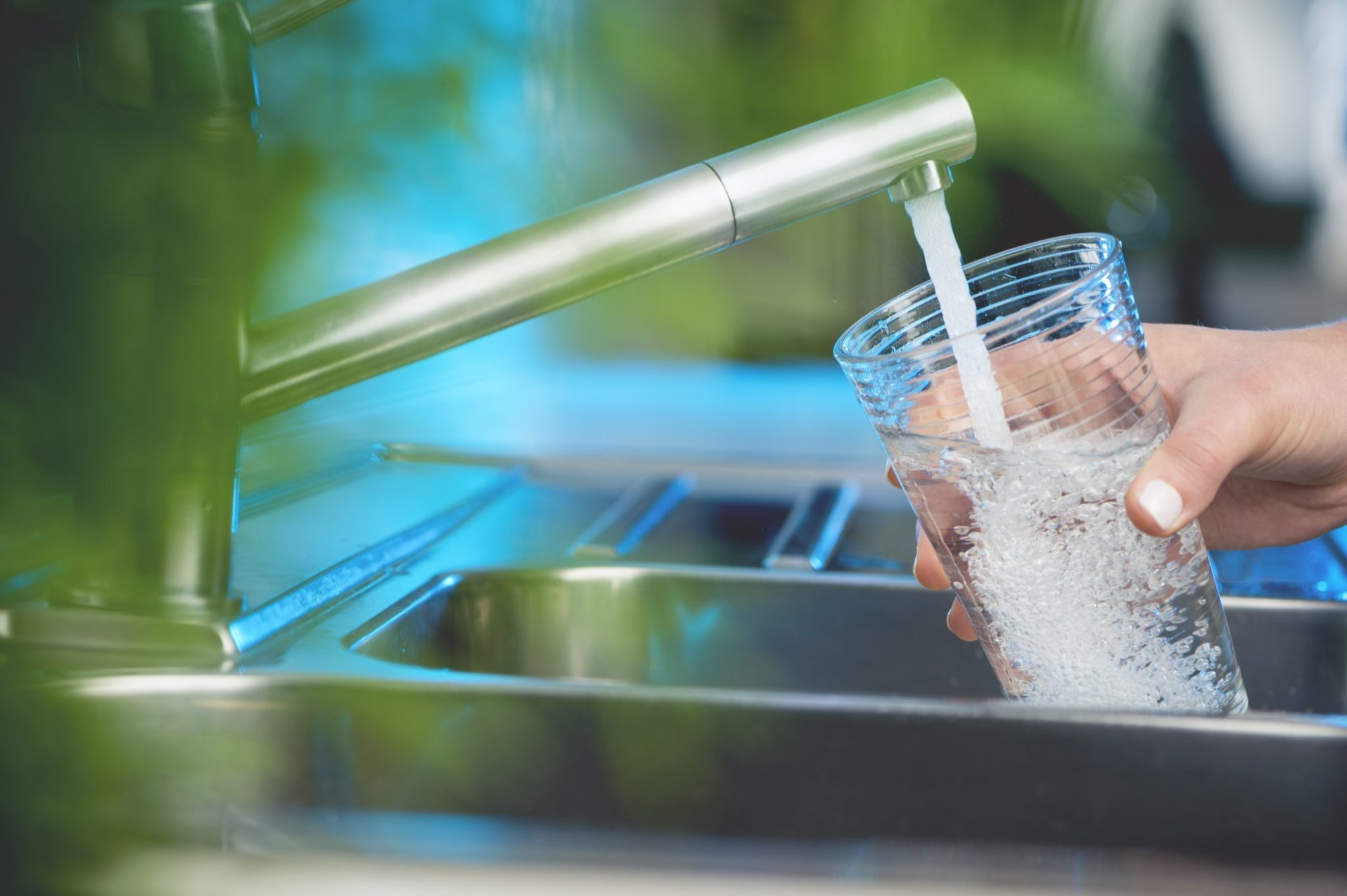
Most people don’t think much about their water until something seems wrong. Maybe the shower leaves a chalky film on the glass. Perhaps the kitchen tap has a strange smell, or the water suddenly tastes different from what your family is used to. Sometimes the signs are obvious. Other times, water quality concerns are much harder to notice.
Whatever the issue, guessing is rarely the best approach. Water can look perfectly clear and still contain minerals, bacteria, or other contaminants that affect its quality. A sensible first step is to understand what is actually in your water before investing in equipment or making changes to your plumbing.
Water testing, professional advice, and regular service can help you find a solution that suits your property instead of paying for a system that may not address the real problem.
Why Water Testing Is Worth Your Time
Water testing provides a clearer picture of the conditions inside your water supply. It can identify concerns such as hardness, pH imbalance, iron, manganese, sediment, chlorine, bacteria, and other substances, depending on the type of test performed.
For households using municipal water, testing can help reveal issues that develop between the treatment facility and your home. Aging pipes, plumbing materials, and local infrastructure may influence the water by the time it reaches your tap. For private well owners, testing is even more important because groundwater conditions can change over time.
Some providers offer a free water test as an initial service. This can be a useful opportunity to learn more about your water without committing to a treatment system immediately. However, it’s worth asking what the test includes. A basic screening may not detect every possible contaminant, and serious concerns may require laboratory testing by a certified facility.
The goal isn’t simply to receive a report. It’s to understand which findings matter and what action, if any, is appropriate.
Common Water Problems Found in Homes
Different water issues require different solutions. Hard water is one of the most common concerns. It contains elevated levels of minerals such as calcium and magnesium, which can leave scale on faucets, reduce soap effectiveness, and create buildup inside water heaters and appliances.
Iron can cause orange or reddish stains in sinks, toilets, and laundry. In some cases, it may also create a metallic taste or unpleasant odor. Sediment, meanwhile, can make water appear cloudy and may clog fixtures, filters, and plumbing components.
Some households are more concerned about chlorine taste, sulfur odors, or microbial contamination. These problems should not be treated as interchangeable. A softener designed to reduce hardness, for example, is not automatically a complete filtration or disinfection solution.
That’s why the test results matter. The treatment method should be selected according to the actual issue rather than a generic promise that one device can solve everything.
Understanding Your Treatment Options
Once your water has been assessed, a professional can explain which treatment options may be suitable. A water softener is commonly used to reduce hardness and help control mineral scale. It may also make soaps work more effectively and help protect certain plumbing fixtures.
Whole-house filtration systems are designed to treat water entering the property. Depending on the filter media, they may reduce sediment, chlorine, odors, or selected contaminants. Reverse osmosis systems are often installed at a drinking-water faucet and can provide more focused treatment for certain dissolved substances.
Ultraviolet purification may be considered for specific microbial concerns, particularly in some private well applications. Other systems are designed for iron, sulfur, or specialized contaminant removal.
No system is universal. Each technology has its own purpose, limitations, maintenance needs, and operating costs. A good provider should explain those differences in plain language instead of overwhelming you with technical terms.
Why Professional Installation Makes a Difference
Even the right equipment can cause problems if it is installed poorly. Water treatment systems must be connected correctly to your plumbing, and some require drainage, electricity, bypass valves, or specific pressure conditions.
Professional installation helps ensure that the system is configured properly and operates as intended. A technician should inspect the available space, check water pressure, confirm the direction of flow, and make sure connections are secure. They should also explain how to use the system and what to do if a warning light, leak, or performance issue appears.
Installation should also account for future maintenance. Filters, tanks, valves, and other components need to remain accessible. A system that works well but is difficult to service can become frustrating over time.
Before the installation begins, ask whether the quoted price includes labor, fittings, setup, testing, and cleanup. Clear expectations can prevent unpleasant surprises later.
The Importance of Ongoing Service
Water treatment equipment needs regular attention. Depending on the system, maintenance may include changing cartridges, adding salt, cleaning components, checking settings, or inspecting connections. Skipping these tasks can reduce performance and shorten the equipment’s useful life.
If you’re unsure how often maintenance is needed, ask the provider when you should schedule service. The answer may depend on water usage, the type of system, local water conditions, and the manufacturer’s recommendations.
Some providers offer service reminders or maintenance plans, which can be helpful for busy households. A service plan may include inspections, filter replacement, troubleshooting, or discounted repairs. However, read the terms carefully. Make sure you understand what is included, what costs extra, and whether emergency visits are covered.
Regular service isn’t just about keeping equipment running. It also helps identify small problems before they turn into expensive plumbing damage or a complete system failure.
Asking the Right Questions Before Buying
A water treatment system is a long-term purchase, so it makes sense to ask questions before signing an agreement. Start by asking what the system is designed to remove and what it cannot remove. Request information about maintenance, replacement parts, warranty coverage, installation requirements, and expected operating costs.
You should also ask how much water the system may waste, how much salt or electricity it uses, and how frequently filters need to be replaced. These details can make a noticeable difference over several years.
If you want to compare options, ask the provider to get pricing for more than one suitable solution. A less expensive system may be enough for a simple issue, while a more advanced setup may be justified for complex water conditions. The important thing is that the recommendation matches your needs.
Be cautious of anyone who insists you must buy immediately or claims that one product solves every water problem. Reliable providers are generally willing to explain their recommendations and give you time to consider the decision.
A Better Approach to Water Quality
Improving your water quality doesn’t have to be complicated. Start by paying attention to changes in taste, odor, staining, or scale. Arrange appropriate testing, review the results, and speak with a qualified professional about practical treatment options.
The right system should improve your everyday experience while fitting your budget, space, and maintenance preferences. It should also come with clear information and dependable support after installation.
Clean, pleasant water is easy to take for granted, but it plays a role in nearly every part of daily life. With informed testing, careful equipment selection, and consistent service, you can address water concerns with greater confidence—and avoid spending money on solutions that were never right for your home in the first place.