Most of us expect water to do its job without much fuss. We turn on the kitchen tap, fill a glass, make tea, or step into the shower, rarely giving a second thought to what’s flowing through the pipes. That changes pretty quickly when the water starts leaving white marks on the sink, smells strange, or tastes different from what we’re used to.
These little annoyances can become part of everyday life before we realise how much they’re affecting us. You might spend extra time scrubbing bathroom fixtures or replace a kettle earlier than expected. Perhaps you’re buying bottled water because the tap water simply doesn’t taste appealing.
The good news is that many common water quality concerns can be addressed with the right information and treatment. The trick is figuring out what’s actually causing the problem instead of reaching for the first filter you see advertised.
The Signs Your Water May Need Attention
Water quality isn’t always obvious. Some changes are easy to spot, while others require proper testing to identify. Paying attention to what happens around your home can offer useful clues, although appearances alone cannot establish whether water is safe to drink.
For example, white deposits on taps, shower screens, and kitchen appliances often point toward mineral-rich water. A rusty tint may suggest iron, corrosion, or sediment, depending on the plumbing and water source. An unusual smell might come from disinfectants, naturally occurring compounds, or a problem with the plumbing itself.
These observations are a starting point, not a diagnosis. Water supplied by a municipal network can have different characteristics from water drawn from a borewell or private well. Even neighbouring homes may experience different issues because of their plumbing systems and local conditions.
If something changes suddenly, especially the colour, smell, or appearance of your water, contact your water supplier or a qualified professional. Where contamination is suspected, testing is much more useful than guessing.
Why Hard Water Can Be Such a Nuisance
One of the most common household complaints is hard water, which contains higher concentrations of dissolved minerals, particularly calcium and magnesium. These minerals occur naturally as water moves through soil and rock.
You may notice the effects while cleaning. Soap doesn’t seem to lather properly, glassware develops cloudy marks, and a freshly cleaned shower can look spotted again by the following morning. Over time, mineral deposits may build up inside kettles, water heaters, pipes, and other appliances.
Hardness isn’t usually considered a health risk in itself, but it can make ordinary household tasks more frustrating. Scale buildup may also reduce heating efficiency in some appliances and increase maintenance requirements.
A water softener is one option for managing this issue. Most conventional softeners use ion exchange to replace calcium and magnesium ions with sodium or potassium ions. The appropriate system depends on water hardness, household consumption, and installation conditions.
Before purchasing one, have your water tested. A softener is not a universal purifier, and it won’t automatically remove bacteria, pesticides, or every dissolved contaminant. If your main concern is drinking water safety, a different treatment approach may be necessary.
It’s also worth considering the household’s needs. Some people want to reduce scale throughout the property, while others mainly want better-tasting drinking water. Those goals don’t always require the same equipment.
Understanding Chlorine and Its Effects
Municipal water suppliers commonly use chlorine or related disinfectants to control harmful microorganisms during treatment and distribution. This is an important public health measure, even though some people dislike the smell or taste it leaves behind.
When excessive chlorine is suspected, it’s useful to distinguish between a noticeable disinfectant smell and an actual concentration above the applicable standard. Your nose alone cannot make that determination. If the smell is unusually strong or has appeared suddenly, contact your water supplier and ask whether testing or further investigation is appropriate.
For people bothered by chlorine’s effect on taste, activated carbon filters can often help. Their effectiveness depends on the filter design, water conditions, and how well the unit is maintained. Some systems are installed at a single drinking water tap, while others treat water entering the home.
Check the product specifications before buying. A filter that improves taste and odour may not remove other contaminants, and cartridges need replacing according to the manufacturer’s instructions. Leaving an old cartridge in place for too long can reduce its effectiveness.
Also, don’t assume that removing the chlorine smell means the water is free from every potential hazard. Disinfection and filtration perform different functions, and safe water management may require both.
What Causes Unpleasant Water Taste and Smell?
Few things are more disappointing than filling a glass of water and discovering that it tastes metallic, earthy, or vaguely musty. You might notice it most when making tea or coffee, since familiar drinks can make subtle changes in water more apparent.
Odor and taste issues can have several causes. Chlorine may produce a swimming-pool-like smell, while dissolved minerals can contribute to a metallic taste. Organic material, stagnant plumbing, storage tanks, or certain naturally occurring compounds may create earthy or musty notes.
Sometimes the issue comes from the building rather than the incoming supply. Water that has sat in pipes for hours can pick up tastes associated with plumbing materials, particularly in older properties. A poorly maintained storage tank can also affect water quality.
Try to notice whether the problem affects every tap or just one. If only a single faucet is affected, the fixture or local plumbing may deserve attention. If the change occurs throughout the property, the source or storage system may be involved.
Still, don’t rely on taste and smell alone to judge safety. Certain harmful contaminants have no noticeable flavour or odour. If the change is persistent, unexplained, or sudden, arrange appropriate testing and follow any advice from your supplier or local health authorities.
Choosing the Right Treatment Without Overspending
Once you have a clearer idea of the problem, choosing equipment becomes much easier. Different technologies are designed for different purposes, so start with the test results and work backwards.
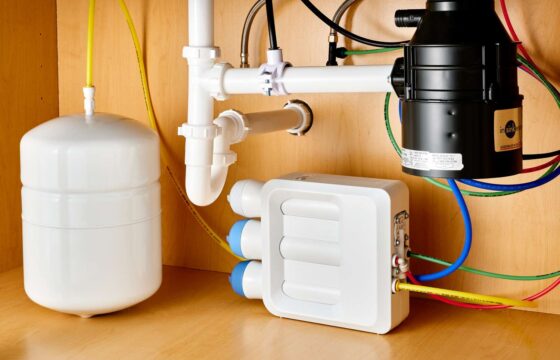
A sediment filter can help capture suspended particles. Activated carbon may reduce chlorine and certain compounds affecting taste and odour. Water softeners address hardness, while reverse osmosis systems can reduce many dissolved substances when properly designed and maintained.
No single technology removes everything. In some homes, a combination of treatments makes sense; in others, a simple filter is enough. Buying several systems without knowing what needs to be removed can waste money and create unnecessary maintenance.
Compare more than the purchase price. Ask about installation charges, replacement cartridges, servicing, water wastage, and expected operating life. Look for credible performance certifications that match the contaminants you’re trying to reduce.
A reputable provider should be able to explain why a particular system is recommended and what it cannot do. Be cautious of anyone who uses frightening claims to pressure you into buying immediately.
Small Habits That Help Protect Water Quality
Treatment equipment works best when the rest of the water system is looked after. Clean storage tanks at appropriate intervals, repair leaking pipes, and follow maintenance instructions for filters and softeners. If you use a private well, arrange regular testing based on local risks and professional guidance.
Pay attention to changes, too. A new smell, unusual cloudiness, or sudden shift in taste deserves investigation, particularly after plumbing work, flooding, or a disruption to the local supply.
Better water doesn’t necessarily require a complicated setup. Often, the most effective first step is simply finding out what’s in the water you already have.
A Better Approach Starts With Knowing Your Water
Water problems can be inconvenient, but you don’t have to accept them as an unavoidable part of running a household. Understanding the likely cause, testing when necessary, and selecting suitable treatment can make a genuine difference.
Whether you’re dealing with mineral deposits, an unpleasant chlorine smell, or water that tastes different from one day to the next, avoid guessing your way through expensive products. Start with evidence, ask sensible questions, and choose equipment that fits your home.
It’s a practical approach, and usually a more economical one. After all, the goal isn’t to own the most advanced water treatment system on the market. It’s to have water you can use confidently, every day.