Have you ever cleaned the bathroom, stepped away for a day, and come back to find white marks around the faucets again? Or perhaps your soap never seems to lather properly, no matter how much you use. These little annoyances can make household chores feel endless. Often, the water itself plays a part.
Water quality varies from one home to another. Some households receive water with a high mineral content, while others have water that produces fewer deposits and feels easier to use for cleaning. Understanding the difference between hard and soft water can help you make practical decisions about your plumbing, appliances, and everyday routines.
The important thing is not to assume that one type is automatically perfect for every household. What matters is knowing what is in your water, what problems it may be causing, and whether treatment would offer a genuine benefit.
What Makes Water Hard in the First Place?
Hard water develops when water passes through soil and rock and picks up dissolved minerals along the way. The most common contributors are calcium and magnesium, which occur naturally in groundwater. The amount present depends on local geology and the source of the water supply.
These minerals are not generally considered harmful at the levels commonly found in household water. In fact, calcium and magnesium are nutrients that people need in their diets. The trouble usually comes from the way these minerals behave around soap, heat, and household surfaces.
When hard water evaporates, it can leave behind a pale residue on glass, tiles, and metal fixtures. Heated water may also encourage scale to form inside kettles, water heaters, and other appliances. Over time, these deposits can become difficult to remove and may affect how certain equipment performs.
Water hardness varies considerably between regions, and even nearby homes can have different experiences depending on their supply and plumbing. That’s why a neighbour’s solution may not necessarily be the right one for your property.
Everyday Signs You Might Have Hard Water
Hard water often announces itself through ordinary household frustrations. You may notice that glasses look spotted after washing, showerheads develop chalky deposits, or soap leaves a film on bathroom surfaces. Laundry can sometimes feel rough, particularly when detergent residue remains on the fabric.
Another common clue is scale inside a kettle. If you regularly boil water and see a white crust developing around the heating element, minerals may be contributing to the buildup. The same thing can happen inside water heaters, although internal deposits aren’t always visible without inspection.
Still, these signs are not a definitive diagnosis. A dishwasher can leave marks because of its settings, a blocked filter, or the wrong detergent. Low water pressure may come from plumbing problems unrelated to hardness. Looking at the overall pattern is more useful than focusing on one symptom.
If several problems keep appearing throughout the home, it may be worth checking the water rather than repeatedly buying stronger cleaning products.
Why Testing Is Better Than Guesswork
Before investing in a filter or softener, find out what your water actually contains. A hardness test can measure the concentration of dissolved minerals and help establish whether treatment is likely to make a noticeable difference.
For more detailed concerns, professional water testing may be appropriate. Depending on the water source and the reason for testing, the assessment could examine hardness, pH, iron, nitrates, bacteria, or other specific substances. The right test depends on the question being asked; a basic hardness reading does not establish whether water is safe from every possible contaminant.
If your home receives municipal water, your supplier’s water-quality report can provide useful background information. Private well owners generally need to arrange testing suited to local conditions and follow the recommendations of their local health authority.
Ask for the results in writing and make sure you understand what they mean. If a test identifies a concern, the next step is to select a treatment method designed for that issue. There’s little point paying for equipment that addresses a problem your water doesn’t have.
What Changes When Water Is Softened?
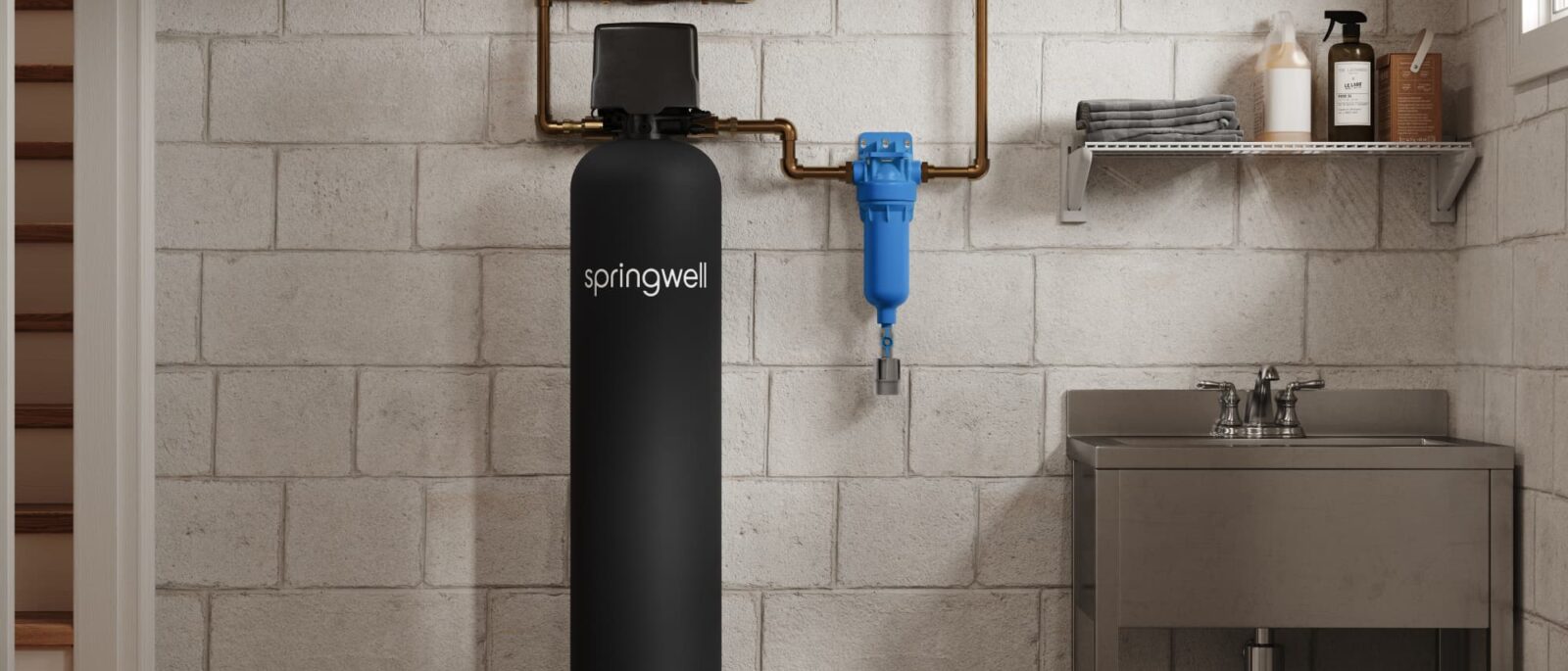
A conventional water softener uses an ion-exchange process to reduce hardness. As water passes through the resin inside the unit, calcium and magnesium ions are exchanged for sodium or potassium ions, depending on the system. The unit eventually needs to regenerate so that it can continue treating water effectively.
Many homeowners choose soft water because it can reduce scale formation and help soap work more effectively. Shower screens may be easier to keep clean, and faucets may develop fewer mineral deposits. Some people also notice that shampoo and soap rinse away differently.
The benefits depend on the original water conditions and the equipment installed. Softening does not remove every contaminant, and it should not be confused with a complete drinking-water purification system. If a household has concerns about bacteria, lead, or other health-related substances, appropriate testing and targeted treatment remain important.
Traditional softeners also require ongoing attention. Salt needs replenishing, and the system should be checked according to the manufacturer’s instructions. Homes with particular dietary or medical concerns about sodium should discuss their options with a qualified healthcare professional and a water-treatment specialist.
Is a Water Softener Right for Every Home?
Not necessarily. Some households have only mild hardness and manage it comfortably with routine cleaning and appliance maintenance. Others experience persistent scale that affects several bathrooms, laundry equipment, and water heaters. In those cases, a properly sized softener may be worth considering.
Think about how widespread the problem is. If the only issue is unpleasant-tasting drinking water, a point-of-use filter may be more appropriate than a whole-house softener. If scale is forming throughout the plumbing, treating water as it enters the home could make more sense.
Installation costs, available space, water use, maintenance needs, and local requirements all deserve consideration. Ask providers to explain why a particular system is recommended and what it will—and will not—accomplish. Be cautious of claims that one device can solve every water-quality problem.
Make a Decision Based on Your Water
The difference between hard and soft water is more than a matter of how a glass looks after washing. It can influence cleaning routines, scale formation, and the maintenance needs of household appliances. But the best response starts with understanding the actual conditions in your home.
Pay attention to recurring signs, check your water source, and arrange suitable testing when needed. Compare treatment options based on verified performance, ongoing costs, and realistic expectations rather than advertisements alone.
Good water management doesn’t have to become a major project. With clear information and a little planning, you can decide whether your home needs treatment or whether a few simple changes will do the job. The aim is to make everyday life easier while choosing a solution that genuinely fits your household.