Category: Home service

  • Choosing the Right Water Treatment Approach for Your Home

    Choosing the Right Water Treatment Approach for Your Home

    Water has a funny way of becoming part of the background. We use it for coffee in the morning, showers before work, laundry on the weekend, and a hundred little things in between. Because it’s always there, most of us don’t stop to think about what’s actually flowing through the pipes until something changes. Maybe the water starts leaving spots on the dishes. Maybe the shower doesn’t feel quite right. Or perhaps the taste is noticeably different.

    These small signs can point to a larger water-quality issue, but they don’t always mean you need an expensive, complicated treatment setup. The better approach is to understand your water first and then choose equipment around the actual problem.

    Why Water Quality Isn’t the Same Everywhere

    Two houses only a few miles apart can have surprisingly different water conditions. Municipal water is treated before it reaches your home, but its mineral content and other characteristics can vary by location. Private wells have their own challenges, depending on the local geology and groundwater conditions.

    This is why a water test is such a useful first step. It provides information about hardness, pH, dissolved minerals, and other characteristics that may influence which treatment methods make sense. Guessing based on taste or appearance can be misleading because some water-quality issues aren’t visible at all.

    Testing doesn’t have to turn into a science project. A basic professional analysis can give homeowners a practical starting point and help prevent them from paying for equipment they don’t actually need.

    Understanding Hard Water

    Hard water is one of the most common reasons homeowners start looking into treatment. Calcium and magnesium are naturally occurring minerals, and while they aren’t generally a reason to panic, they can cause plenty of household headaches.

    You may notice white deposits around faucets, cloudy glassware, or scale collecting inside appliances. Soap can also struggle to lather properly, leaving a film behind on showers and sinks. Over time, mineral deposits can reduce the efficiency of water heaters and other equipment.

    A softener works differently from a standard drinking-water filter. Its primary job is to reduce hardness minerals rather than simply remove every substance from the water. Understanding that distinction is important when deciding what kind of treatment your home actually needs.

    Compare Before You Commit

    Shopping for treatment equipment can get confusing quickly. Manufacturers use different terminology, systems come in various sizes, and two products that look similar on paper may perform quite differently in a real household.

    A thoughtful water softener comparison should consider more than the purchase price. Look at capacity, regeneration method, water and salt consumption, maintenance requirements, warranty coverage, installation costs, and the expected household water demand.

    For example, a small household with moderate hardness may not need the same capacity as a family with several bathrooms and heavy daily water use. Oversizing isn’t always harmful, but it can add unnecessary expense. Undersizing, on the other hand, can leave the system struggling to keep up.

    The goal isn’t to find the biggest unit. It’s to find a system that fits.

    City Water and Well Water Need Different Thinking

    The source of your water makes a major difference. A home connected to a municipal supply may be dealing primarily with hardness, chlorine taste, or sediment from aging infrastructure. A private well can present a broader range of concerns, including iron, sulfur odors, sediment, or changing mineral levels.

    That’s why city and well water shouldn’t automatically be approached with the same treatment strategy. Well owners, in particular, can benefit from periodic testing because groundwater conditions can change over time.

    For municipal supplies, homeowners can often begin by reviewing their local water-quality report and then testing the water at the property if specific concerns remain. A well owner should consider a more comprehensive testing routine, especially if the water’s appearance, taste, or smell changes unexpectedly.

    Tailoring Treatment to Real Household Needs

    There’s no universal treatment package that works perfectly for every property. A family of two has different needs from a household of six. A home with older plumbing may have different concerns from a newly built property.

    Professional water treatment providers often begin by asking practical questions: How many people live in the house? How many bathrooms are there? Is the water from a municipal supply or a private well? What problems have you noticed? How much water does the household typically use?

    Those details matter. A properly sized system should be able to handle normal demand without constantly operating at its limits.

    The phrase southern water systems tailored to you captures an important idea in water treatment: location and household circumstances matter. Local water conditions, climate, plumbing design, and individual usage patterns can all influence the appropriate solution.

    Filtration and Softening Are Not the Same

    One common mistake is assuming that a softener and a filter do exactly the same thing. They don’t.

    A softener primarily addresses hardness minerals. Filtration, meanwhile, can target specific particles, chemicals, tastes, odors, or other contaminants depending on the filter media being used.

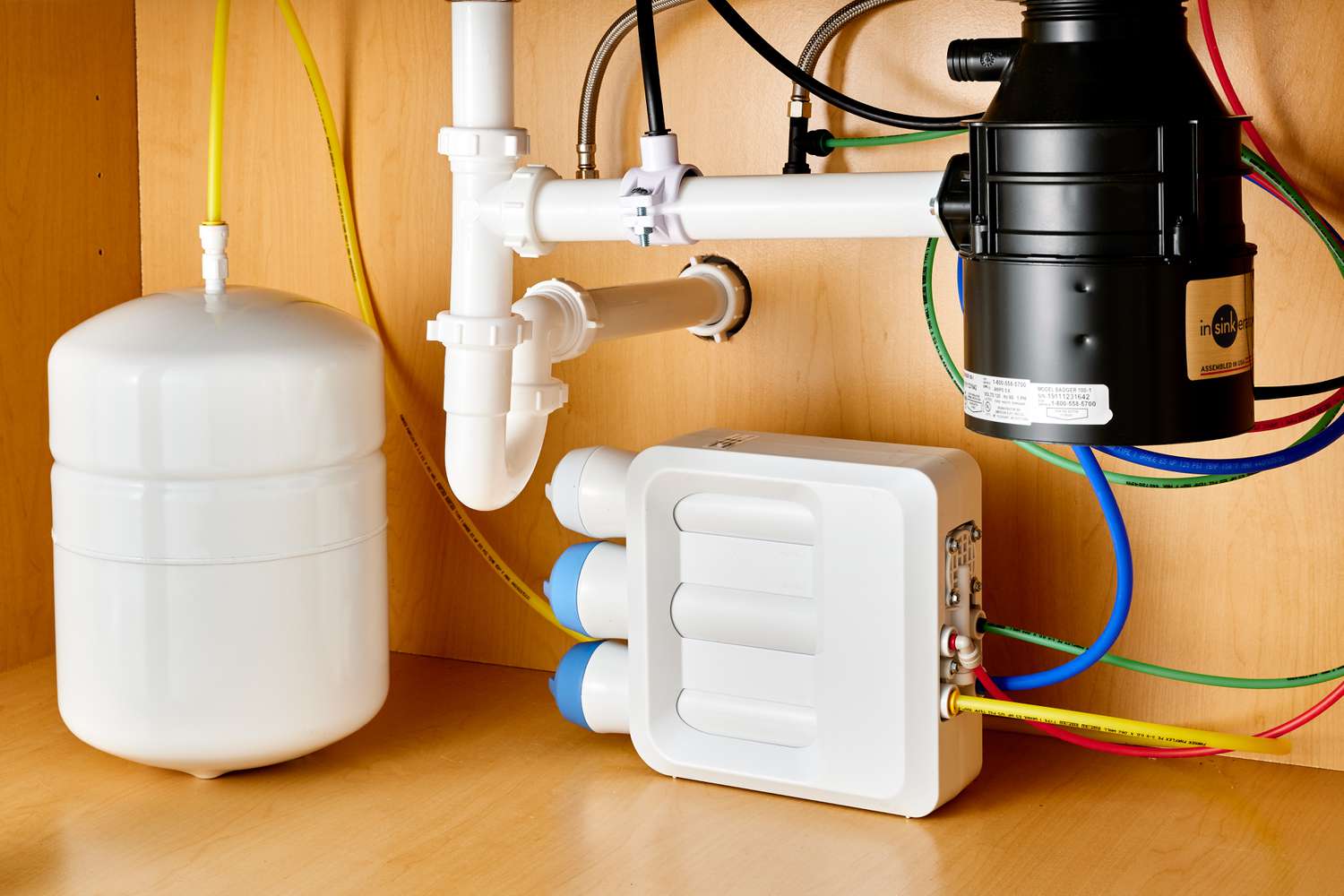
    Activated carbon, for instance, is commonly used to improve taste and reduce chlorine. Sediment filtration can capture physical particles. Reverse osmosis is a different type of treatment that can reduce a wide range of dissolved substances from drinking water.

    Sometimes these technologies are combined. Other times, one simple treatment method is enough. Again, the water test should guide the decision.

    Maintenance Matters More Than People Think

    Installing a treatment system is only the beginning. Filters need replacing, softeners need appropriate salt or maintenance, and mechanical components should occasionally be inspected.

    Ignoring maintenance can gradually reduce performance. A system might still be running, but that doesn’t necessarily mean it’s working as intended.

    It’s helpful to keep a simple record of filter changes, service visits, and unusual changes in water pressure, taste, smell, or appearance. These notes can make troubleshooting much easier if something goes wrong later.

    And don’t overlook leaks. Connections, valves, and fittings should be checked periodically. A tiny drip isn’t always just a tiny drip when it continues for months.

    Look Beyond the Initial Price

    Price naturally matters, but the cheapest system isn’t necessarily the least expensive option over its lifetime. Consider operating costs, replacement filters, salt usage, electricity where applicable, servicing, and potential repairs.

    A system that costs slightly more upfront but uses fewer consumables and requires less frequent maintenance could have a different long-term cost than a bargain unit.

    It’s also worth asking who will install the equipment and what happens if something needs attention later. Clear installation terms and accessible service can be just as valuable as the equipment itself.

    Making a Confident, Practical Choice

    Good water treatment doesn’t need to feel overwhelming. Start with the water itself. Test it, understand the results, identify the problems that actually affect your household, and then compare solutions based on performance and long-term practicality.

    Sometimes the answer is a softener. Sometimes it’s filtration. Sometimes the best decision is a combination of technologies — and sometimes, surprisingly, it’s doing very little beyond regular testing and maintenance.

    The important thing is to avoid treating water problems with guesswork. Your home, your plumbing, and your daily habits all tell part of the story.

    Once you approach water treatment that way, the process becomes much simpler. You’re not just buying a machine for the garage or basement. You’re choosing a system that should quietly do its job every day, without demanding much attention from you.

    And honestly, that’s probably what good water treatment should feel like: effective, dependable, and almost invisible in the background of everyday life.

  • Finding Dependable HVAC and Refrigeration Service in Western Oklahoma

    Finding Dependable HVAC and Refrigeration Service in Western Oklahoma

    Weather has a way of reminding us how much we depend on the systems inside our buildings. In Oklahoma, a mild morning can turn into a scorching afternoon, while winter can bring a completely different kind of discomfort. When heating or cooling equipment decides to quit, the timing is rarely convenient.

    For homeowners, a broken air conditioner can make a house uncomfortable surprisingly fast. For restaurants, retailers and other businesses, a refrigeration problem can create an even bigger concern. Perishable inventory can’t simply wait for the weather to improve.

    That’s why choosing a service provider before you actually need one is a smart move. A good HVAC and refrigeration company isn’t just someone you call after a breakdown. Ideally, it’s a partner that understands your equipment, your property and the demands of the local climate.

    Local Knowledge Has Real Value

    Oklahoma isn’t one uniform environment. Buildings, businesses and weather conditions vary considerably from one community to another.

    A contractor familiar with western Oklahoma and el reno area hvac & refrigeration service areas is more likely to understand the practical challenges that local property owners face. Equipment may have to deal with long periods of heavy cooling demand, sudden weather changes and dusty outdoor conditions.

    Local familiarity doesn’t replace technical expertise, of course. But it can make service more practical. A technician who regularly works in the area may also understand common equipment types, local building conditions and the realities of getting service scheduled during busy seasons.

    Don’t Wait Until the First Heat Wave

    The worst time to discover your air conditioner needs attention is usually when everyone else’s air conditioner needs attention too.

    When temperatures rise, HVAC companies can become extremely busy. A minor issue that might have been handled quickly during a quieter month can become an urgent appointment during peak season.

    Scheduling an inspection before heavy demand arrives gives you a chance to identify potential problems early.

    Look for obvious warning signs: unusual noises, weak airflow, rooms that don’t cool properly, strange odors or an outdoor unit that seems to run constantly.

    None of these symptoms automatically means the system is failing. But they are worth noticing.

    Oklahoma Heating Needs Attention, Too

    It’s easy to associate Oklahoma with hot summers and forget that winter can be demanding in its own way.

    A heating system that hasn’t been used for months may have problems when it’s finally switched on. Filters can be dirty, components can wear out and ignition or electrical issues may prevent the equipment from starting properly.

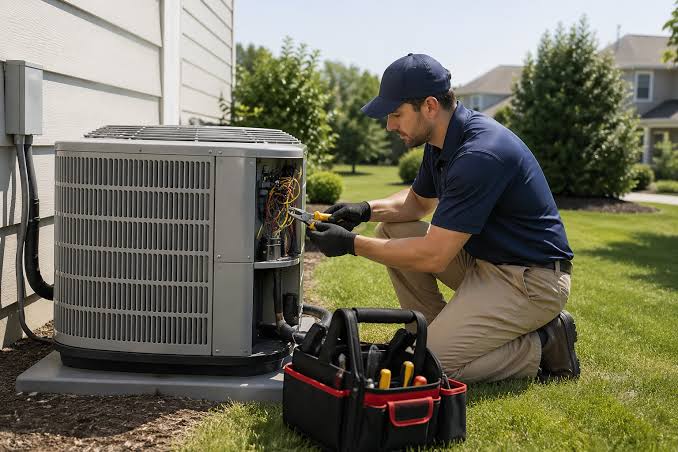
    Professional heating & air conditioning services in Oklahoma can help homeowners and businesses prepare equipment for changing seasons.

    Seasonal inspections are particularly useful for older systems. They can reveal whether the equipment is likely to handle another season reliably or whether replacement planning makes more sense.

    Businesses Have More at Stake

    A homeowner may be uncomfortable when the air conditioner stops working. A business can lose money.

    Restaurants need refrigeration to protect food. Retail stores may rely on temperature-controlled areas to preserve products. Offices need comfortable conditions for employees and customers.

    Even a relatively short HVAC or refrigeration failure can interrupt normal operations.

    That’s why businesses should think about service before a problem happens. Keep equipment records, know which systems are most critical and make sure employees know who to contact if something goes wrong.

    Having a plan can make an unexpected breakdown considerably less chaotic.

    Refrigeration Problems Need Quick Attention

    Commercial refrigeration equipment often operates continuously.

    Walk-in coolers, freezers, display cases and prep refrigerators have demanding workloads, particularly in restaurants and food-service environments. A unit that isn’t holding temperature properly can put inventory at risk.

    Watch for warning signs such as excessive frost, water around the equipment, unusual compressor noise or temperatures that fluctuate more than normal.

    Employees who use the equipment every day are often the first to notice these changes. Encourage them to report anything unusual rather than assuming someone else will deal with it.

    Maintenance Isn’t Just Another Expense

    Preventive maintenance can seem like one more cost on an already long list.

    But regular service can help identify problems before they become expensive emergencies.

    Technicians may inspect electrical connections, moving components, airflow, coils, controls and other equipment-specific parts. They can also identify wear that isn’t obvious during normal operation.

    For businesses, maintenance can make budgeting easier. Planned service is generally easier to schedule than an emergency breakdown during the busiest part of the year.

    And yes, maintenance can be boring.

    So is changing the oil in a car. Still worth doing.

    Energy Efficiency Starts With Equipment Condition

    If an HVAC system suddenly seems to run much longer than it used to, don’t automatically blame the weather.

    Outdoor temperatures certainly affect energy consumption, but equipment condition matters too.

    Dirty components, restricted airflow, aging parts and other issues can force a system to work harder.

    A professional inspection can help determine whether higher energy use is simply seasonal or a sign of reduced performance.

    For larger buildings and businesses, even a modest improvement in efficiency can add up over time.

    Service Areas Should Be Clear

    When choosing a contractor, find out exactly where they work.

    Companies sometimes advertise broad coverage but have limited availability outside their primary market. Others may have technicians who regularly travel to nearby communities.

    Understanding the company’s surrounding service areas can save time when you need urgent assistance.

    It’s also worth asking about response times. A contractor who serves your community regularly may be better positioned to provide timely support than one traveling a long distance for every appointment.

    Good Communication Builds Confidence

    Technical knowledge is important, but customers also need clear communication.

    If a technician finds a problem, they should explain what caused it and what options are available. If replacement is recommended, ask why repair isn’t practical.

    You should also receive a clear estimate before significant work begins whenever possible.

    Nobody enjoys being surprised by an invoice, particularly after an already stressful equipment failure.

    A professional service company should understand that customers aren’t just paying for parts and labor. They’re paying for expertise and peace of mind.

    Know When Repair Is Enough

    Not every malfunction means it’s time for new equipment.

    A relatively new system with a single failed component may be perfectly worth repairing. An older unit with repeated breakdowns, declining efficiency and expensive parts is a different matter.

    Consider the equipment’s age, maintenance history, energy use and expected remaining lifespan.

    If a contractor recommends replacement, ask about the numbers. How much will the repair cost? How long might the equipment reasonably continue operating? What could future repairs look like?

    You don’t need a perfect prediction. You need enough information to make a sensible decision.

    Prepare Before You Need Emergency Help

    One simple step can make a future HVAC emergency much easier: save the service company’s contact information now.

    Don’t wait until the system has stopped working completely.

    Keep records of maintenance and repairs. Know your equipment’s model information if possible. For businesses, make sure more than one employee knows the service procedure.

    This kind of preparation takes only a few minutes.

    When something fails during a busy afternoon, those minutes can save a lot of frustration.

    Local Service Is About More Than Convenience

    A dependable HVAC and refrigeration contractor becomes valuable over time.

    They learn the equipment. They understand recurring issues. They know the property and can sometimes identify changes faster because they have a history to compare against.

    For homeowners and businesses in western Oklahoma, that relationship can be particularly useful because heating and cooling equipment faces significant seasonal demands.

    The smartest approach isn’t to wait for failure and then start searching.

    Find a qualified provider, establish a service relationship, keep up with maintenance and pay attention to early warning signs.

    No HVAC or refrigeration system lasts forever. Breakdowns will happen eventually. But with thoughtful care and a reliable local service partner, those problems don’t have to take you completely by surprise.

    And when Oklahoma weather decides to turn up the heat — or suddenly bring the cold — a little preparation can make all the difference.

  • A Practical Guide to Testing Your Water and Choosing the Right Service

    A Practical Guide to Testing Your Water and Choosing the Right Service

    Most people don’t think much about their water until something seems wrong. Maybe the shower leaves a chalky film on the glass. Perhaps the kitchen tap has a strange smell, or the water suddenly tastes different from what your family is used to. Sometimes the signs are obvious. Other times, water quality concerns are much harder to notice.

    Whatever the issue, guessing is rarely the best approach. Water can look perfectly clear and still contain minerals, bacteria, or other contaminants that affect its quality. A sensible first step is to understand what is actually in your water before investing in equipment or making changes to your plumbing.

    Water testing, professional advice, and regular service can help you find a solution that suits your property instead of paying for a system that may not address the real problem.

    Why Water Testing Is Worth Your Time

    Water testing provides a clearer picture of the conditions inside your water supply. It can identify concerns such as hardness, pH imbalance, iron, manganese, sediment, chlorine, bacteria, and other substances, depending on the type of test performed.

    For households using municipal water, testing can help reveal issues that develop between the treatment facility and your home. Aging pipes, plumbing materials, and local infrastructure may influence the water by the time it reaches your tap. For private well owners, testing is even more important because groundwater conditions can change over time.

    Some providers offer a free water test as an initial service. This can be a useful opportunity to learn more about your water without committing to a treatment system immediately. However, it’s worth asking what the test includes. A basic screening may not detect every possible contaminant, and serious concerns may require laboratory testing by a certified facility.

    The goal isn’t simply to receive a report. It’s to understand which findings matter and what action, if any, is appropriate.

    Common Water Problems Found in Homes

    Different water issues require different solutions. Hard water is one of the most common concerns. It contains elevated levels of minerals such as calcium and magnesium, which can leave scale on faucets, reduce soap effectiveness, and create buildup inside water heaters and appliances.

    Iron can cause orange or reddish stains in sinks, toilets, and laundry. In some cases, it may also create a metallic taste or unpleasant odor. Sediment, meanwhile, can make water appear cloudy and may clog fixtures, filters, and plumbing components.

    Some households are more concerned about chlorine taste, sulfur odors, or microbial contamination. These problems should not be treated as interchangeable. A softener designed to reduce hardness, for example, is not automatically a complete filtration or disinfection solution.

    That’s why the test results matter. The treatment method should be selected according to the actual issue rather than a generic promise that one device can solve everything.

    Understanding Your Treatment Options

    Once your water has been assessed, a professional can explain which treatment options may be suitable. A water softener is commonly used to reduce hardness and help control mineral scale. It may also make soaps work more effectively and help protect certain plumbing fixtures.

    Whole-house filtration systems are designed to treat water entering the property. Depending on the filter media, they may reduce sediment, chlorine, odors, or selected contaminants. Reverse osmosis systems are often installed at a drinking-water faucet and can provide more focused treatment for certain dissolved substances.

    Ultraviolet purification may be considered for specific microbial concerns, particularly in some private well applications. Other systems are designed for iron, sulfur, or specialized contaminant removal.

    No system is universal. Each technology has its own purpose, limitations, maintenance needs, and operating costs. A good provider should explain those differences in plain language instead of overwhelming you with technical terms.

    Why Professional Installation Makes a Difference

    Even the right equipment can cause problems if it is installed poorly. Water treatment systems must be connected correctly to your plumbing, and some require drainage, electricity, bypass valves, or specific pressure conditions.

    Professional installation helps ensure that the system is configured properly and operates as intended. A technician should inspect the available space, check water pressure, confirm the direction of flow, and make sure connections are secure. They should also explain how to use the system and what to do if a warning light, leak, or performance issue appears.

    Installation should also account for future maintenance. Filters, tanks, valves, and other components need to remain accessible. A system that works well but is difficult to service can become frustrating over time.

    Before the installation begins, ask whether the quoted price includes labor, fittings, setup, testing, and cleanup. Clear expectations can prevent unpleasant surprises later.

    The Importance of Ongoing Service

    Water treatment equipment needs regular attention. Depending on the system, maintenance may include changing cartridges, adding salt, cleaning components, checking settings, or inspecting connections. Skipping these tasks can reduce performance and shorten the equipment’s useful life.

    If you’re unsure how often maintenance is needed, ask the provider when you should schedule service. The answer may depend on water usage, the type of system, local water conditions, and the manufacturer’s recommendations.

    Some providers offer service reminders or maintenance plans, which can be helpful for busy households. A service plan may include inspections, filter replacement, troubleshooting, or discounted repairs. However, read the terms carefully. Make sure you understand what is included, what costs extra, and whether emergency visits are covered.

    Regular service isn’t just about keeping equipment running. It also helps identify small problems before they turn into expensive plumbing damage or a complete system failure.

    Asking the Right Questions Before Buying

    A water treatment system is a long-term purchase, so it makes sense to ask questions before signing an agreement. Start by asking what the system is designed to remove and what it cannot remove. Request information about maintenance, replacement parts, warranty coverage, installation requirements, and expected operating costs.

    You should also ask how much water the system may waste, how much salt or electricity it uses, and how frequently filters need to be replaced. These details can make a noticeable difference over several years.

    If you want to compare options, ask the provider to get pricing for more than one suitable solution. A less expensive system may be enough for a simple issue, while a more advanced setup may be justified for complex water conditions. The important thing is that the recommendation matches your needs.

    Be cautious of anyone who insists you must buy immediately or claims that one product solves every water problem. Reliable providers are generally willing to explain their recommendations and give you time to consider the decision.

    A Better Approach to Water Quality

    Improving your water quality doesn’t have to be complicated. Start by paying attention to changes in taste, odor, staining, or scale. Arrange appropriate testing, review the results, and speak with a qualified professional about practical treatment options.

    The right system should improve your everyday experience while fitting your budget, space, and maintenance preferences. It should also come with clear information and dependable support after installation.

    Clean, pleasant water is easy to take for granted, but it plays a role in nearly every part of daily life. With informed testing, careful equipment selection, and consistent service, you can address water concerns with greater confidence—and avoid spending money on solutions that were never right for your home in the first place.