

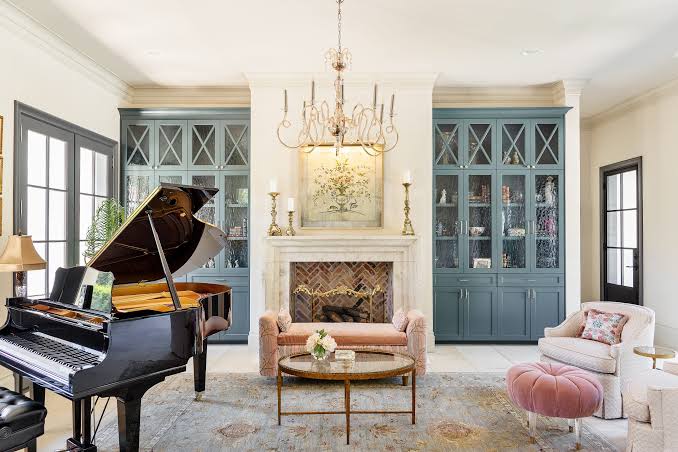
A home often becomes meaningful in ways that have little to do with its size or price. It might be the corner where morning sunlight lands on the floor, the dining table that somehow gathers everyone at the end of a long day, or the familiar hallway that welcomes you back after a trip. These details are easy to overlook when planning a renovation or designing a new home, yet they often shape how a space feels long after the work is finished.
Creating an interior that feels personal takes more than choosing attractive furniture and coordinating colors. It means paying attention to the building, the people who live in it, and the small routines that make everyday life what it is. A thoughtfully designed home should feel good to look at, certainly, but it should also make sense when life gets busy.
Begin With the Way You Actually Live
It’s tempting to start a design project with inspiration photographs. They can be useful, offering ideas about materials, layouts, and the overall atmosphere you want to create. The trouble begins when a beautiful image becomes a rigid plan, even though the room, budget, or household is entirely different.
Before selecting finishes, consider how each space will be used. Does the kitchen need to accommodate several people preparing meals at once? Is the living room mainly for entertaining, or is it where the family watches films and relaxes at the end of the day? Would a spare bedroom be more useful if it could also function as a quiet workspace?
These questions may not sound particularly glamorous, but they lead to better decisions. A room designed around real habits is more likely to remain useful than one built around a passing trend.
Think about the things that frustrate you in your current home, too. Perhaps shoes collect beside the entrance, storage is awkward, or the dining area feels cramped whenever guests arrive. A design project offers an opportunity to address those problems rather than simply giving them a prettier background.
Let the Architecture Guide the Design
Every home has its own character. Some properties have generous windows and strong architectural lines; others contain unusual corners, modest ceiling heights, or original details that deserve a little attention. Rather than treating these features as obstacles, it can be helpful to see what they offer.
A property near fox street, for example, might inspire a design approach that considers the character of its surroundings while still responding to the needs of the people living inside. The important point is not to reproduce a particular style simply because it suits the neighborhood. It is to understand what makes the building distinctive and use that knowledge to inform thoughtful choices.
Architectural features can become quiet anchors for an interior. An original fireplace may help determine the living room layout, while a large window might suggest where a reading chair should sit. In some homes, preserving existing timber, stone, or trim adds a sense of continuity that new decoration alone cannot recreate.
Of course, not every original feature needs to remain untouched. A room may need improved lighting, more practical storage, or a different arrangement to suit modern living. The goal is to find a sensible balance between respecting the building and making it work for the people who call it home.
Choose Materials That Feel Right Over Time
Materials influence an interior in ways that go beyond color. Timber brings warmth and visible grain, stone can add a sense of permanence, and natural fabrics often soften a room without making it feel overly formal. Even a simple palette can become interesting when the surfaces have different textures and finishes.
It helps to consider how materials will age. A surface that looks pristine in a showroom may show every fingerprint in a busy kitchen. A delicate fabric might be lovely in a formal sitting room but less practical for a family sofa. These aren’t reasons to avoid beautiful materials; they’re reasons to choose them with care.
Samples are worth examining in the actual space whenever possible. Daylight, artificial lighting, nearby colors, and even the direction of a window can change how a finish appears. A warm neutral that looks inviting under showroom lights may feel quite different in a north-facing room.
Try not to make every finish match perfectly. A little contrast gives a home depth. The aim is to create a relationship between materials rather than making every surface look as though it came from the same collection.
Make Room for Comfort and Flexibility
A well-designed home should support change. Families grow, working arrangements shift, and rooms often take on new purposes over the years. A spare bedroom might become a nursery, a dining area may double as a homework station, or a quiet corner could turn into a reading space.
This is especially important when planning built-in storage and large furniture. Bespoke cabinetry can make awkward spaces more useful, but it should be designed around genuine needs. Shelves, drawers, and cupboards are most valuable when they make everyday belongings easier to organize and reach.
A property along lupton drive could present a completely different set of practical requirements from a smaller urban home or a traditional house with compact rooms. That is why good design rarely follows a single formula. The layout, storage, lighting, and furniture should respond to the actual property rather than forcing it into a predetermined style.
Flexibility also comes from restraint. When the permanent elements of a room are relatively timeless, it becomes easier to refresh the atmosphere with cushions, artwork, lamps, and other pieces that can be changed without a major renovation.
Use Lighting to Shape the Mood
Lighting is one of the most effective ways to make a home feel welcoming. Natural light can make a room appear more open, while carefully positioned lamps create warmth after sunset. Yet lighting is often left until late in a project, when the layout and finishes have already been decided.
A better approach is to consider lighting early. General illumination helps people move around comfortably, task lighting supports activities such as cooking or reading, and accent lighting can draw attention to artwork or architectural features. Each layer serves a different purpose.
Think about the room at different times of day. A kitchen may need clear, bright light in the morning, while the dining area benefits from a softer atmosphere in the evening. In a living room, a combination of ceiling lights, floor lamps, and table lamps can make the space feel adaptable rather than flat.
Natural light deserves careful consideration, too. Window coverings should balance privacy, glare, and the amount of daylight you want to preserve. Sometimes a simple adjustment to curtain placement can make a window feel larger and allow more light into the room.
Personal Details Make a House Feel Like Home
The most memorable interiors usually contain something that belongs specifically to the people who live there. It could be artwork collected during travels, a chair passed down through the family, books arranged on open shelves, or photographs that bring back good memories.
These objects don’t need to follow a strict color scheme. In fact, a home can feel more authentic when not every item has been selected to match the furniture. The trick is to give meaningful pieces enough room to be appreciated. Too many objects crowded together can make even treasured belongings disappear into visual clutter.
A home in walters port may have its own local character, just as any property does, but personal expression should remain central to the design. The surroundings can provide inspiration without dictating every decision. A home should reflect its occupants, not merely resemble a collection of fashionable rooms.
It can be useful to live with a space for a little while before filling every empty corner. Once the furniture is in place and daily routines settle, it becomes easier to see what the room genuinely needs.
Design That Lasts Beyond the Final Reveal
The success of an interior project is not measured only by how it looks on completion day. It is also measured by how well the rooms function months and years later, when the novelty has worn off and ordinary life has taken over.
That means planning carefully, allowing enough time for decisions, and considering maintenance alongside appearance. It means choosing furniture that fits the space, materials that suit their purpose, and lighting that can adapt to different needs. It also means accepting that a home doesn’t have to be flawless to be beautiful.
The most satisfying spaces feel considered without feeling stiff. They leave room for family life, unexpected purchases, changing routines, and the occasional bit of mess. Their character develops over time because the design supports the people who live there.
A home with a sense of place is ultimately a home that feels connected: to its architecture, to its surroundings, and to the people who fill it with life. When those relationships guide the decisions, the result can be both practical and deeply personal—a space that welcomes you today and continues to feel right as the years unfold.


