Water quality is something most homeowners take for granted until a problem becomes impossible to ignore. Maybe the kitchen tap starts leaving an odd taste, showerheads develop stubborn mineral deposits, or laundry doesn’t feel as fresh despite using the same detergent. These things may seem minor at first, but over time they can become frustrating parts of everyday life.
The challenge is that water problems aren’t always easy to identify. Clear water doesn’t necessarily mean perfect water quality, and unusual odors or stains don’t always point to the same cause. Before spending money on filtration equipment, it’s worth understanding what’s happening and why. A little investigation can save both time and unnecessary expense.
Why Professional Guidance Can Make Water Treatment Easier
Water treatment isn’t a one-size-fits-all process. Different properties have different water sources, plumbing systems, household needs, and concerns. A family using municipal water may be concerned about chlorine taste, while a homeowner relying on a private well might be dealing with hardness, iron, sediment, or other naturally occurring substances.
This is where water testing consultations can be useful. A conversation with a water treatment professional helps homeowners explain what they’ve noticed, discuss their water source, and understand which tests might be appropriate. Rather than immediately recommending expensive equipment, a thoughtful consultation should begin with questions.
How long has the issue been occurring? Does it affect every tap or just one? Are there visible stains, odors, or scale deposits? Has the plumbing recently been repaired? These details may sound ordinary, but they’re often helpful in determining the next step.
Good advice should be practical and understandable. Homeowners shouldn’t have to decipher complicated technical terms just to learn what their water needs.
Understanding the Importance of Proper Water Sampling
Testing water accurately begins before the sample reaches a testing facility. The way water is collected, handled, stored, and transported can influence the reliability of certain results. That’s why sample collection isn’t something to overlook.
Water sample collection and analysis involves gathering water using suitable procedures and evaluating it for selected characteristics or substances. Depending on the purpose of the test, samples may need specific containers, collection methods, handling instructions, and timely delivery.
For example, a homeowner interested in checking basic hardness may have different sampling requirements from someone investigating possible bacterial contamination in a private well. Some tests require sterile containers and careful handling to avoid contamination from outside sources.
Collecting a sample from the wrong location or using an unsuitable container can affect the results. If a professional is involved, it’s worth following their instructions closely. If samples are collected independently, clear guidance should be provided beforehand so the testing process isn’t compromised.
What Laboratory Water Testing Can Reveal
Some water quality concerns can be investigated using basic measurements, while others require more specialized equipment and analytical procedures. A laboratory may examine parameters such as pH, hardness, iron, manganese, dissolved solids, nitrates, or microbiological indicators, depending on the test requested.
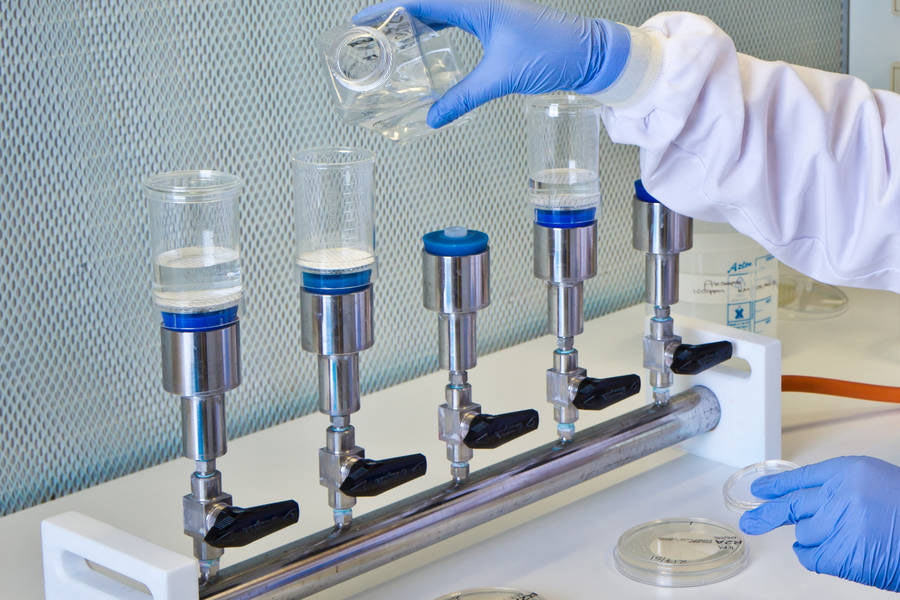
Laboratory testing for water quality offers a more detailed understanding of selected water characteristics when performed using appropriate methods. It can help identify substances that aren’t visible and provide measurements that homeowners can compare with relevant standards or recommendations.
However, it’s important to understand that no single laboratory test covers every possible concern. The testing panel should be selected according to the water source, local conditions, and the reason for testing. Private wells, older plumbing, and water supplies with unusual taste, odor, or discoloration may require different investigations.
Results should also be explained in context. A number on a report doesn’t always tell the whole story, especially when homeowners aren’t familiar with measurement units, acceptable ranges, or the limitations of particular tests.
Selecting a Treatment System Based on Actual Results
Once the testing is complete, choosing a water treatment solution becomes less complicated. If hardness is the main concern, a water softener may help reduce mineral buildup. Sediment filtration can address suspended particles, while activated carbon may improve certain taste and odor issues. Reverse osmosis systems can reduce many dissolved substances when properly selected and maintained.
The best system depends on the results, household consumption, plumbing arrangement, budget, and maintenance requirements. Installing several different filters without understanding the problem can create unnecessary costs and additional upkeep.
A reliable treatment recommendation should explain what the equipment is designed to remove, what it won’t remove, and how often it needs servicing. That’s a much better starting point than buying a system based on a sales pitch or a neighbor’s experience.
Making Water Quality a Long-Term Priority
Water quality deserves attention, but the process doesn’t need to feel overwhelming. Start with the concerns you actually have, ask sensible questions, and choose testing that addresses those concerns. When the results are available, take time to understand them before making major decisions.
Good water management isn’t necessarily about having the most advanced equipment in the house. It’s about making informed choices, maintaining the systems you already have, and knowing when professional help is worthwhile.
Sometimes the path to better water begins with something surprisingly simple: asking the right questions and getting reliable answers.